Filter 🔎
Duration
Activity Type
Programs
TalingChan Community (3 Religions, Multicultural Hub)
Visit Church of the Assumption of Our Lady in Phuket  , the only Catholic church located right in the heart of Phuket town. This is a key venue for important Christian religious ceremonies, serving both local Phuket residents and foreigners living in the area. It's become a spiritual gathering point that brings together Thais and expats alike. The church's architecture itself is a great representation of Phuket's mixed cultural heritage.Just a short walk from the Catholic church, you can check out the Yameay Mosque Phuket Town
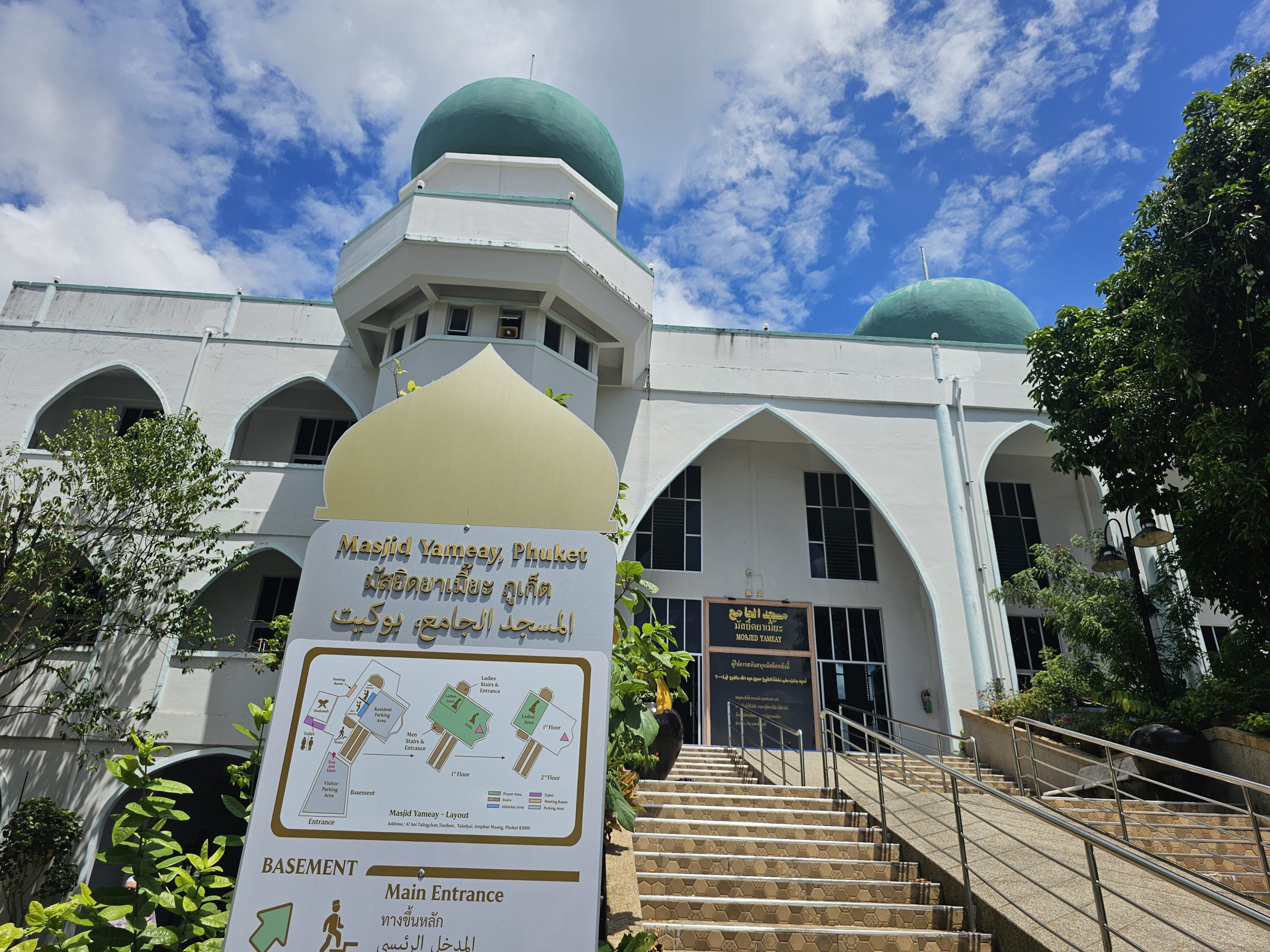 a spiritual center for the Muslim community – and the Hok Huan Kong Chinese temple (Mahayana Buddhist sect), which is worshipped by the Thai-Chinese population living in central Phuket.
🏷️ tag : 1 Hour , Spiritual tour& Worship
Ban Bang Neow Community (Community of Faith and Belief)
Pay respect and seek blessings at Bang Neow Shrine 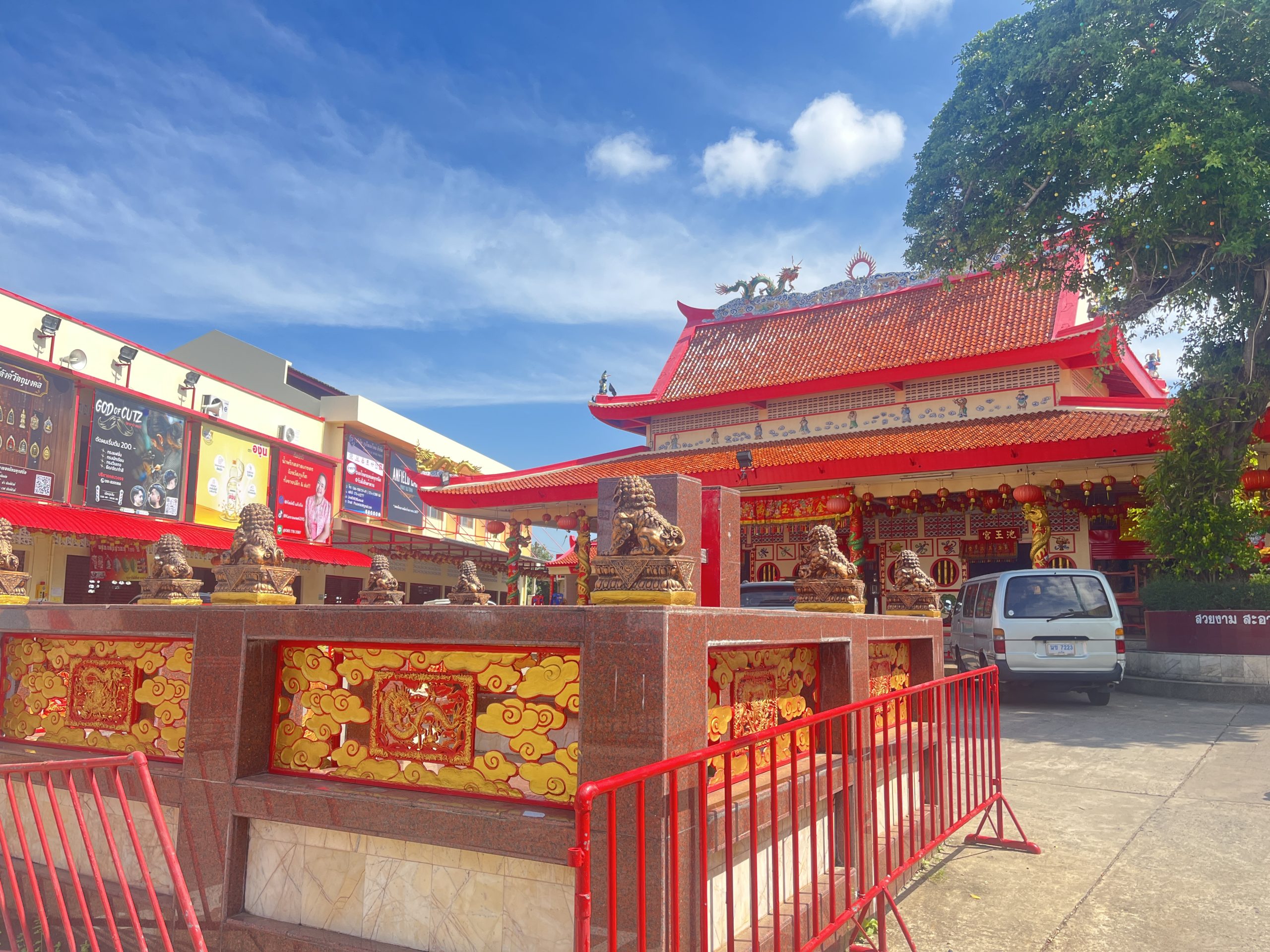 , also known as Tao Boo Keng Shrine. This historic shrine was built in 1904 (BE 2447). Locals who live in the area call it Tao Bo Keng Shrine or Chai Tung. The standout feature of Bang Neow Shrine is its dragon-shaped archway entrance, done in traditional Chinese art style. At the front, there are two lion statues standing guard. Inside the shrine, you'll find watercolor paintings of Chinese lucky animals and stories from Chinese literature adorning the inner walls. The shrine houses the deity Tian Hu Yuan Shuai (Lao E), who's deeply revered by Thai-Chinese people, especially during the Vegetarian Festival. Bang Neow Shrine is one of Phuket's shrines that draws huge crowds of tourists who come to join in the traditions every single year.
On top of that, the Bang Neow community is also home to Por Tor Kong Shrine, an ancient shrine where the deity Por Tor Kong resides. This god is associated with the Por Tor Festival and serves as the venue for Phuket's grand Por Tor Festival celebrations. According to the shrine's old signboard inscription, Por Tor Kong Shrine was originally called "Seng Tek Bew," which translates to "Shrine of Supreme Merit." Evidence from the signboard and engravings on the incense burner shows that this shrine was built around 1880 (BE 2423), making it over 145 years old today. Originally, this was a shrine dedicated to Pun Tao Kong and Guanyin Bodhisattva, revered by the Bang Neow community. Later, when the Por Tor ceremony was established, a line drawing of Por Tor Kong was created as the shrine's principal deity, which was later renovated into a bas-relief sculpture. Por Tor Kong has a fearsome appearance like a demon, but above his head there's always an image of Guanyin Bodhisattva. This makes it one of the oldest shrines that has been holding the Por Tor ceremony for ages. Phuket locals believe that Por Tor Kong is an avatar of Guanyin Bodhisattva, who has manifested to help beings in hell and control spirits so they don't disturb or cause chaos in the human world. Por Tor Kong has another name – Tai Su E Kong – and is considered the deity of all ghosts and spirits, comparable to Yama, the lord of the underworld. Por Tor Kong Shrine holds its annual Por Tor Festival on a set schedule. Besides being auspicious, everyone gets to sample all kinds of local foods, especially thousands of giant red turtle cakes, which symbolize the love and gratitude that Phuket people offer to Por Tor Kong and the spirits of their ancestors.
🏷️ tag : 1 Hour , Spiritual tour& Worship
Local Food in Ban Bang Neow Community
Bang Neow is one of the communities that has preserved its traditional character better than most. Beyond its famous shrines like Por Tor Kong Shrine, this neighborhood is packed with must-try local eats. There's Mee Hun Jee Jai (or Bee Hun Pa Chang), which has been around for over 30 years. You've got O-Tao Bang Neow, which earned the world-class "Michelin Plate" award. And there's the fresh spring roll shop that's a signature dish for Phuket locals. On top of that, there's the famous O-Aew shaved ice dessert shop, and an old-school mortar cake (khanom khrok) shop too.
🏷️ tag : 1 Hour , Local Food
📋 Multicultural & Local Food Trail Itinerary
09.00 – 10.00 AM: Talad Chin Community (3 Religions Multicultural Community)
Visit Church of the Assumption of Our Lady in Phuket , the only Catholic church located right in the heart of Phuket town. This is a key venue for important Christian religious ceremonies, serving both local Phuket residents and foreigners living in the area. It's become a spiritual gathering point that brings together Thais and expats alike. The church's architecture itself is a great representation of Phuket's mixed cultural heritage.Just a short walk from the Catholic church, you can check out the Yameay Mosque Phuket Town
a spiritual center for the Muslim community – and the Hok Huan Kong Chinese temple (Mahayana Buddhist sect), which is worshipped by the Thai-Chinese population living in central Phuket.
10:00 – 11:00 Ban Bang Neow Community (Community of Faith and Beliefs)
Pay respect and seek blessings at Bang Neow Shrine , also known as Tao Boo Keng Shrine. This historic shrine was built in 1904 (BE 2447). Locals who live in the area call it Tao Bo Keng Shrine or Chai Tung. The standout feature of Bang Neow Shrine is its dragon-shaped archway entrance, done in traditional Chinese art style. At the front, there are two lion statues standing guard. Inside the shrine, you'll find watercolor paintings of Chinese lucky animals and stories from Chinese literature adorning the inner walls. The shrine houses the deity Tian Hu Yuan Shuai (Lao E), who's deeply revered by Thai-Chinese people, especially during the Vegetarian Festival. Bang Neow Shrine is one of Phuket's shrines that draws huge crowds of tourists who come to join in the traditions every single year.
On top of that, the Bang Neow community is also home to Por Tor Kong Shrine, an ancient shrine where the deity Por Tor Kong resides. This god is associated with the Por Tor Festival and serves as the venue for Phuket's grand Por Tor Festival celebrations. According to the shrine's old signboard inscription, Por Tor Kong Shrine was originally called "Seng Tek Bew," which translates to "Shrine of Supreme Merit." Evidence from the signboard and engravings on the incense burner shows that this shrine was built around 1880 (BE 2423), making it over 145 years old today. Originally, this was a shrine dedicated to Pun Tao Kong and Guanyin Bodhisattva, revered by the Bang Neow community. Later, when the Por Tor ceremony was established, a line drawing of Por Tor Kong was created as the shrine's principal deity, which was later renovated into a bas-relief sculpture. Por Tor Kong has a fearsome appearance like a demon, but above his head there's always an image of Guanyin Bodhisattva. This makes it one of the oldest shrines that has been holding the Por Tor ceremony for ages. Phuket locals believe that Por Tor Kong is an avatar of Guanyin Bodhisattva, who has manifested to help beings in hell and control spirits so they don't disturb or cause chaos in the human world. Por Tor Kong has another name – Tai Su E Kong – and is considered the deity of all ghosts and spirits, comparable to Yama, the lord of the underworld. Por Tor Kong Shrine holds its annual Por Tor Festival on a set schedule. Besides being auspicious, everyone gets to sample all kinds of local foods, especially thousands of giant red turtle cakes, which symbolize the love and gratitude that Phuket people offer to Por Tor Kong and the spirits of their ancestors.
11:00 – 12:00 Local Food
Bang Neow is one of the communities that has preserved its traditional character better than most. Beyond its famous shrines like Por Tor Kong Shrine, this neighborhood is packed with must-try local eats. There's Mee Hun Jee Jai (or Bee Hun Pa Chang), which has been around for over 30 years. You've got O-Tao Bang Neow, which earned the world-class "Michelin Plate" award. And there's the fresh spring roll shop that's a signature dish for Phuket locals. On top of that, there's the famous O-Aew shaved ice dessert shop, and an old-school mortar cake (khanom khrok) shop too.
🏷️ tag : 3 Hours , Local Food , Spiritual tour& Worship
Visit "Gurdwara"
Visit "Gurdwara" (Sikh Temple)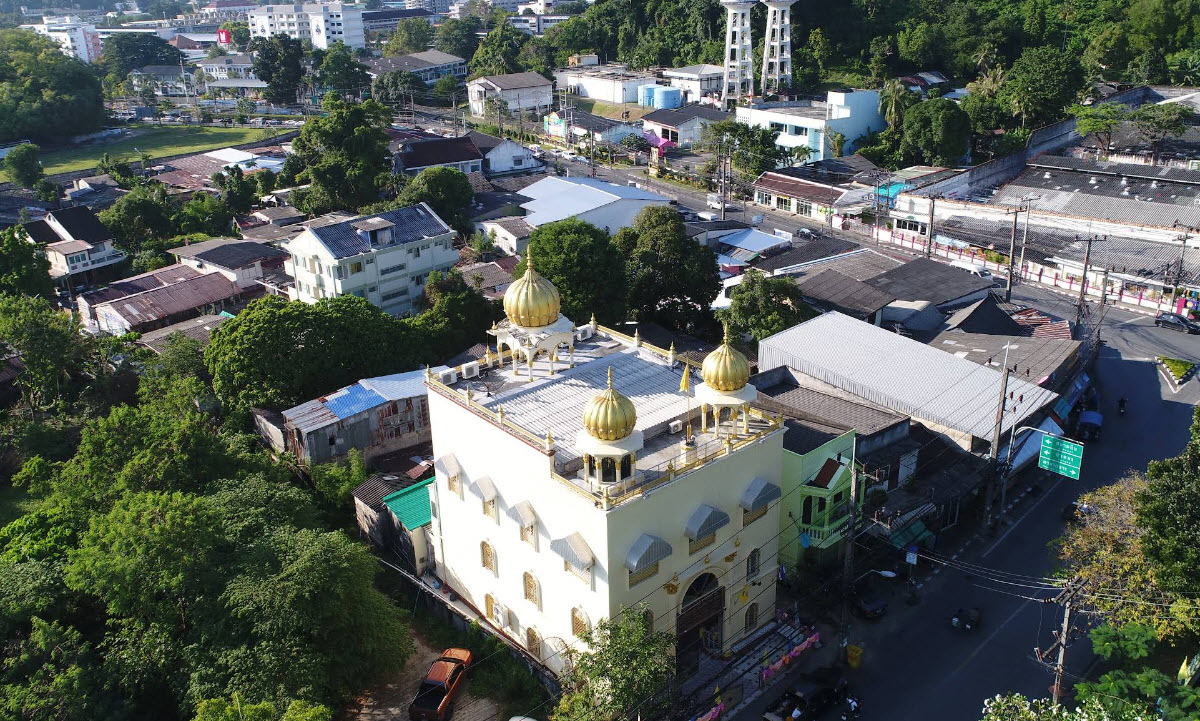 , the door or pathway that leads to the Guru, where the sacred Sri Guru Granth Sahib is enshrined. This is the eternal Guru of the Sikhs. Any place where the Sri Guru Granth Sahib is present is considered a sacred place of worship for Sikhs. Before entering the Gurdwara building, everyone must remove their shoes and cover their head (as a sign of respect). In Sikhism, there are no monks, priests, or saints. However, the person who performs the daily religious ceremonies is called a "Granthi" (scripture reader). The person who leads the melodic prayers is called a "Ragi" (musician), and the singing of prayers is called "Kirtan" – devotional hymns praising the Supreme Being, Waheguru.
🏷️ tag : 1 Hour , Spiritual tour& Worship
Visit Indian Temple: Phuket Thandayuthapani Foundation
A nearby place of worship is the "Indian Temple "Phuket Thandayuthapani Foundation (Indian Temple)" 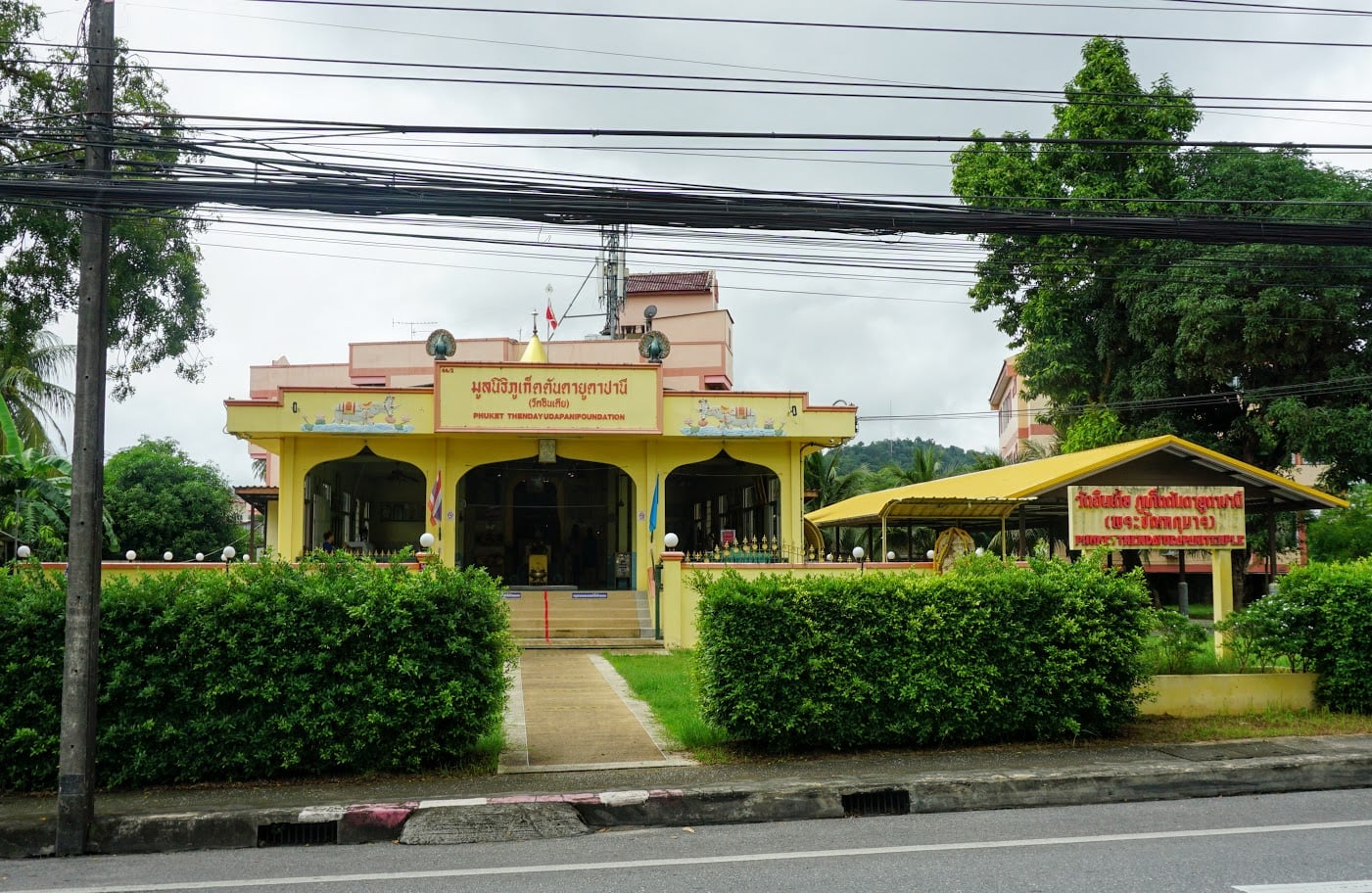 . "Thandayuthapani" refers to Lord Murugan, the god of war who protects heaven. "He's one of the most revered deities among Indians of Brahmin-Hindu descent because there's a belief that Lord Murugan represents strength and courage, and will protect us and our families, keeping us safe," says Brahmin Jayaram about the temple's origins. That's probably why most people come here to pray for blessings related to having children, finding a spouse, and starting a family. Since this temple is dedicated to Lord Murugan, you'll find peacock statues and various peacock symbols and feathers decorating every corner of the temple, because the peacock is the deity's sacred vehicle. There's also the symbol of the Vel (divine spear), which is Lord Murugan's signature weapon, standing in the center of the temple. Beyond that, the Indian Temple wanted this place to be a spiritual hub for everyone, so they've brought in two other deities that many Thai people also worship: "Lord Ganesha," the god of success and Lord Murugan's younger brother, and "Goddess Lakshmi," Vishnu's consort and the goddess of wealth and prosperity. When making offerings, you should prepare vegetarian items like milk and various fruits. Most importantly, the flowers should be lotus blossoms, as they're Goddess Lakshmi's signature flower.
🏷️ tag : 1 Hour , Spiritual tour& Worship
Visit Toh Sae Shrine
Toh Sae Shrine  . the original shrine used to be located on Suthad Road, directly across from Wat Khaek (Indian Temple – Phuket Thandayuthapani Foundation). Inside the shrine, there's a cast statue of To Sae with a serpent deity standing beside him. "The Legend of Por Ta To Sae" – a sacred icon of Phuket, through stories, beliefs, and miracles from the past up to the present day, has made the name Por Ta To Sae inscribed as one of the sacred figures that the people of Phuket have always revered and relied upon spiritually. There are three To Sae deities in total: Por Ta To Sae Khao (White), Por Ta To Sae Dam (Black), and Por Ta To Sae Daeng (Red). It's believed that in ancient times, three Muslim brothers who were pioneers in establishing communities in Phuket sailed their wooden boat to shore, then split up to plant and cultivate different grains in separate areas. Eventually, they became "To" – guardian spirits or patron deities – each protecting different territories on this island. To Ya, who is a female deity, resides at Surin Beach and Kamala on the western side of Phuket Island. To Sae is the guardian of the market area in Mueang District and has a shrine where people come to pay respects. Meanwhile, To Phra Taew, the youngest sibling, looks after Thalang District and has a shrine at Khao Phra Taew.
🏷️ tag : 1 Hour , Spiritual tour& Worship
Visit Wat Wichit Sangkharam
Wat Wichit Sangkharam is an ancient temple that locals call "Wat Khuan 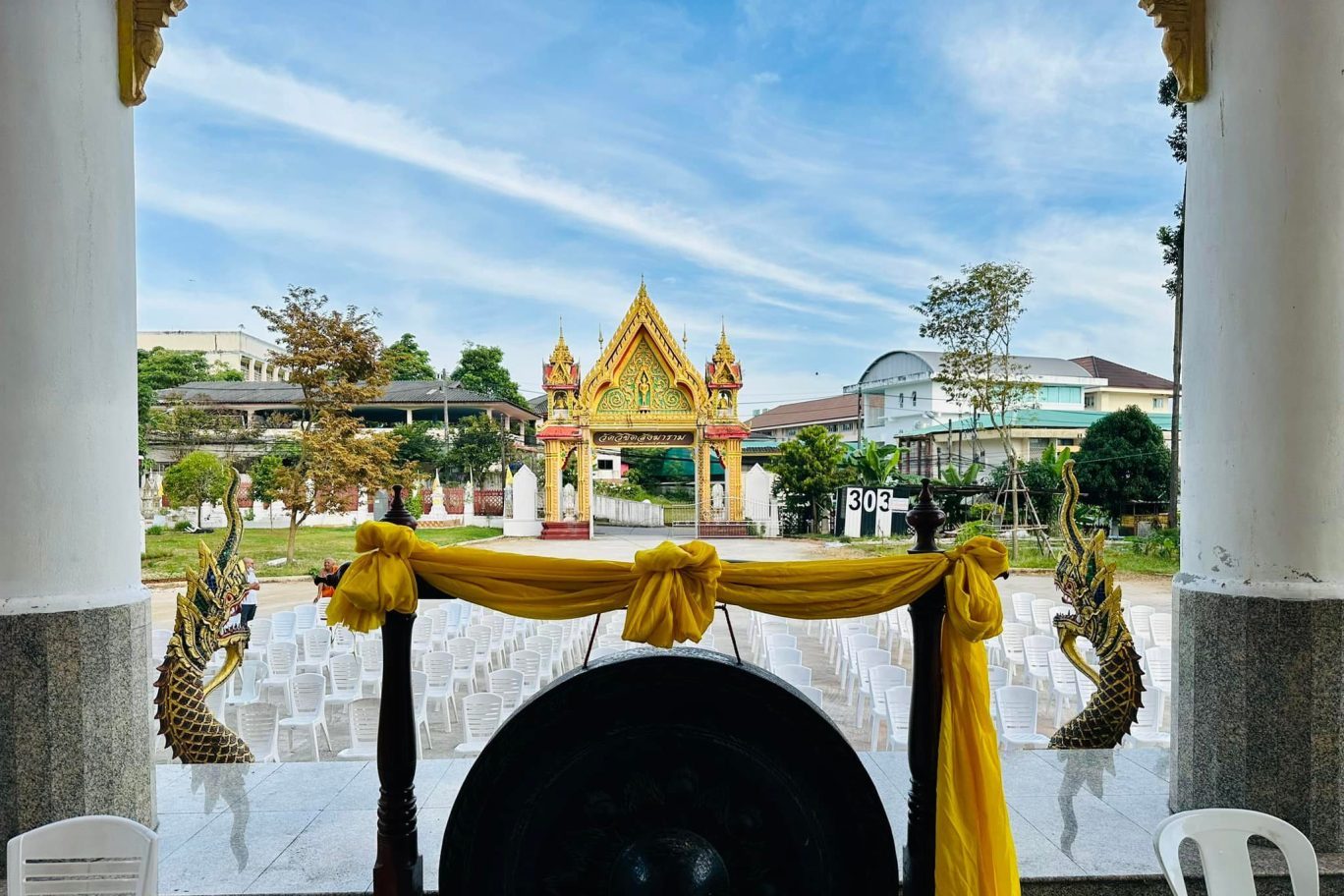 ". It was renamed as a memorial to Phraya Wichit Songkhram (Tat Rattanadilok Na Phuket), the former Governor of Phuket Province. "Wat Khuan" is considered one of the oldest temples in Phuket Province, over 100 years old, built in 1918 (BE 2461). There's no definitive evidence about the temple's construction. It's a temple with a peaceful, tranquil atmosphere. The beautiful ordination hall features Naga (serpent deity) sculptures around all four directions. Inside the ordination hall sits Luang Pho Khao (the White Buddha), which is deeply revered and worshipped by the local community.
🏷️ tag : 1 Hour , Spiritual tour& Worship
Indian Food on Montri Road
Taste authentic Indian flavors at "Indian Food 17," located opposite the Royal Phuket City Hotel. There are various menus to choose from.
🏷️ tag : 1 Hour , Local Food
📋 Spiritual & Faith-Based Route Program
09:30 – 10:00 Visit "Gurdwara"
Visit "Gurdwara" (Sikh Temple), the door or pathway that leads to the Guru, where the sacred Sri Guru Granth Sahib is enshrined. This is the eternal Guru of the Sikhs. Any place where the Sri Guru Granth Sahib is present is considered a sacred place of worship for Sikhs. Before entering the Gurdwara building, everyone must remove their shoes and cover their head (as a sign of respect). In Sikhism, there are no monks, priests, or saints. However, the person who performs the daily religious ceremonies is called a "Granthi" (scripture reader). The person who leads the melodic prayers is called a "Ragi" (musician), and the singing of prayers is called "Kirtan" – devotional hymns praising the Supreme Being, Waheguru.
10:00 – 10:30 Visit Indian Temple
A nearby place of worship is the "Indian Temple "Phuket Thandayuthapani Foundation (Indian Temple)" . "Thandayuthapani" refers to Lord Murugan, the god of war who protects heaven. "He's one of the most revered deities among Indians of Brahmin-Hindu descent because there's a belief that Lord Murugan represents strength and courage, and will protect us and our families, keeping us safe," says Brahmin Jayaram about the temple's origins. That's probably why most people come here to pray for blessings related to having children, finding a spouse, and starting a family. Since this temple is dedicated to Lord Murugan, you'll find peacock statues and various peacock symbols and feathers decorating every corner of the temple, because the peacock is the deity's sacred vehicle. There's also the symbol of the Vel (divine spear), which is Lord Murugan's signature weapon, standing in the center of the temple. Beyond that, the Indian Temple wanted this place to be a spiritual hub for everyone, so they've brought in two other deities that many Thai people also worship: "Lord Ganesha," the god of success and Lord Murugan's younger brother, and "Goddess Lakshmi," Vishnu's consort and the goddess of wealth and prosperity. When making offerings, you should prepare vegetarian items like milk and various fruits. Most importantly, the flowers should be lotus blossoms, as they're Goddess Lakshmi's signature flower.
10:30 – 11:00 Toh Sae Shrine
Toh Sae Shrine . the original shrine used to be located on Suthad Road, directly across from Wat Khaek (Indian Temple – Phuket Thandayuthapani Foundation). Inside the shrine, there's a cast statue of To Sae with a serpent deity standing beside him. "The Legend of Por Ta To Sae" – a sacred icon of Phuket, through stories, beliefs, and miracles from the past up to the present day, has made the name Por Ta To Sae inscribed as one of the sacred figures that the people of Phuket have always revered and relied upon spiritually. There are three To Sae deities in total: Por Ta To Sae Khao (White), Por Ta To Sae Dam (Black), and Por Ta To Sae Daeng (Red). It's believed that in ancient times, three Muslim brothers who were pioneers in establishing communities in Phuket sailed their wooden boat to shore, then split up to plant and cultivate different grains in separate areas. Eventually, they became "To" – guardian spirits or patron deities – each protecting different territories on this island. To Ya, who is a female deity, resides at Surin Beach and Kamala on the western side of Phuket Island. To Sae is the guardian of the market area in Mueang District and has a shrine where people come to pay respects. Meanwhile, To Phra Taew, the youngest sibling, looks after Thalang District and has a shrine at Khao Phra Taew.
11:00 – 11:30 Wat Wichit Sangkharam
Wat Wichit Sangkharam is an ancient temple that locals call "Wat Khuan ". It was renamed as a memorial to Phraya Wichit Songkhram (Tat Rattanadilok Na Phuket), the former Governor of Phuket Province. "Wat Khuan" is considered one of the oldest temples in Phuket Province, over 100 years old, built in 1918 (BE 2461). There's no definitive evidence about the temple's construction. It's a temple with a peaceful, tranquil atmosphere. The beautiful ordination hall features Naga (serpent deity) sculptures around all four directions. Inside the ordination hall sits Luang Pho Khao (the White Buddha), which is deeply revered and worshipped by the local community.
11:30 – 12:00 Local Food
Taste authentic Indian flavors at "Indian Food 17," located opposite the Royal Phuket City Hotel. There are various menus to choose from.
🏷️ tag : 3 Hours , Local Food , Spiritual tour& Worship
Explore Khlong Bang Yai to the Tip of Saphan Hin
Meet up at Soi Ton Pho community and experience Phuket's cultural waterway along the Ko Chan Bridge - Taling Chan - Bang Yai Canal route, ending at Saphan Hin Cape. Enjoy kayaking or walking along Bang Yai Canal, with your final destination being Saphan Hin Cape, rich with Mangrove Forest  . ""Bang Yai Canal" is a vital waterway in Phuket Province. It originates from Kathu District, flows through the plains of Phuket City Municipality, and passes through other important community areas including Wichit and Rassada communities. Stretching over 20 kilometers, Bang Yai Canal is like the main artery of settlement since ancient times.
Phuket was a maritime trading area, a port city with sailing routes known as "Junk Ceylon." After successful mining operations, Chinese immigrants began moving here and played a major role with the Phuket people, especially in terms of beliefs and culture. Chinese culture has blended with local Phuket culture from the past to the present, creating a distinctive local culture. Bang Yai Canal is therefore like a historical waterway that combines cultures from every era—from the maritime trading era, the mining era, to the present day as a cultural tourism destination in Phuket Province.
🏷️ tag : 1 Hour , Walking & Nature
Kiu Tian Keng Shrine (Saphan Hin)
Pay respects and seek blessings from the deities at Kiu Tian Keng Shrine during the annual Vegetarian Festival. This shrine is the most important venue in Phuket for the festival celebrations. Various Vegetarian Festival activities are held here, and people must travel to Saphan Hin Cape to perform different rituals at this shrine.
🏷️ tag : 1 Hour , Spiritual tour& Worship
Local Food at Saphan Hin Zone
Southern-style Kanom Jeen (rice noodles) at Saphan Hin Kanom Jeen Restaurant offers a variety of curry options such as Southern-style fish kidney curry, fish kidney curry, crab curry, and other dishes like hor mok (fish custard), fried chicken, and desserts like sago with coconut. Besides the Kanom Jeen restaurant, the Saphan Hin area has other local food restaurants, including snacks and various sweets that are unique to Phuket.
🏷️ tag : 1 Hour , Local Food
📋 Adventure Itinerary (Nature): Explore Bang Yai Canal to Saphan Hin Cape
: Explore Khlong Bang Yai to the Tip of Saphan Hin :
09:30 – 10:30 Meetup at Soi Ton Pho Community
Meet up at Soi Ton Pho community and experience Phuket's cultural waterway along the Ko Chan Bridge - Taling Chan - Bang Yai Canal route, ending at Saphan Hin Cape. Enjoy kayaking or walking along Bang Yai Canal, with your final destination being Saphan Hin Cape, rich with Mangrove Forest . ""Bang Yai Canal" is a vital waterway in Phuket Province. It originates from Kathu District, flows through the plains of Phuket City Municipality, and passes through other important community areas including Wichit and Rassada communities. Stretching over 20 kilometers, Bang Yai Canal is like the main artery of settlement since ancient times.
Phuket was a maritime trading area, a port city with sailing routes known as "Junk Ceylon." After successful mining operations, Chinese immigrants began moving here and played a major role with the Phuket people, especially in terms of beliefs and culture. Chinese culture has blended with local Phuket culture from the past to the present, creating a distinctive local culture. Bang Yai Canal is therefore like a historical waterway that combines cultures from every era—from the maritime trading era, the mining era, to the present day as a cultural tourism destination in Phuket Province.
10:30 – 11:00 Kiew Tien Keng Shrine (Saphan Hin)
Pay respects and seek blessings from the deities at Kiu Tian Keng Shrine during the annual Vegetarian Festival. This shrine is the most important venue in Phuket for the festival celebrations. Various Vegetarian Festival activities are held here, and people must travel to Saphan Hin Cape to perform different rituals at this shrine.
11:00 – 12:00 Local Food
Southern-style Kanom Jeen (rice noodles) at Saphan Hin Kanom Jeen Restaurant offers a variety of curry options such as Southern-style fish kidney curry, fish kidney curry, crab curry, and other dishes like hor mok (fish custard), fried chicken, and desserts like sago with coconut. Besides the Kanom Jeen restaurant, the Saphan Hin area has other local food restaurants, including snacks and various sweets that are unique to Phuket.
🏷️ tag : 3 Hours , Local Food , Spiritual tour& Worship , Walking & Nature
