Unveiling the Legend of "Am Bang Neow": A Century-Old Ancient Shrine
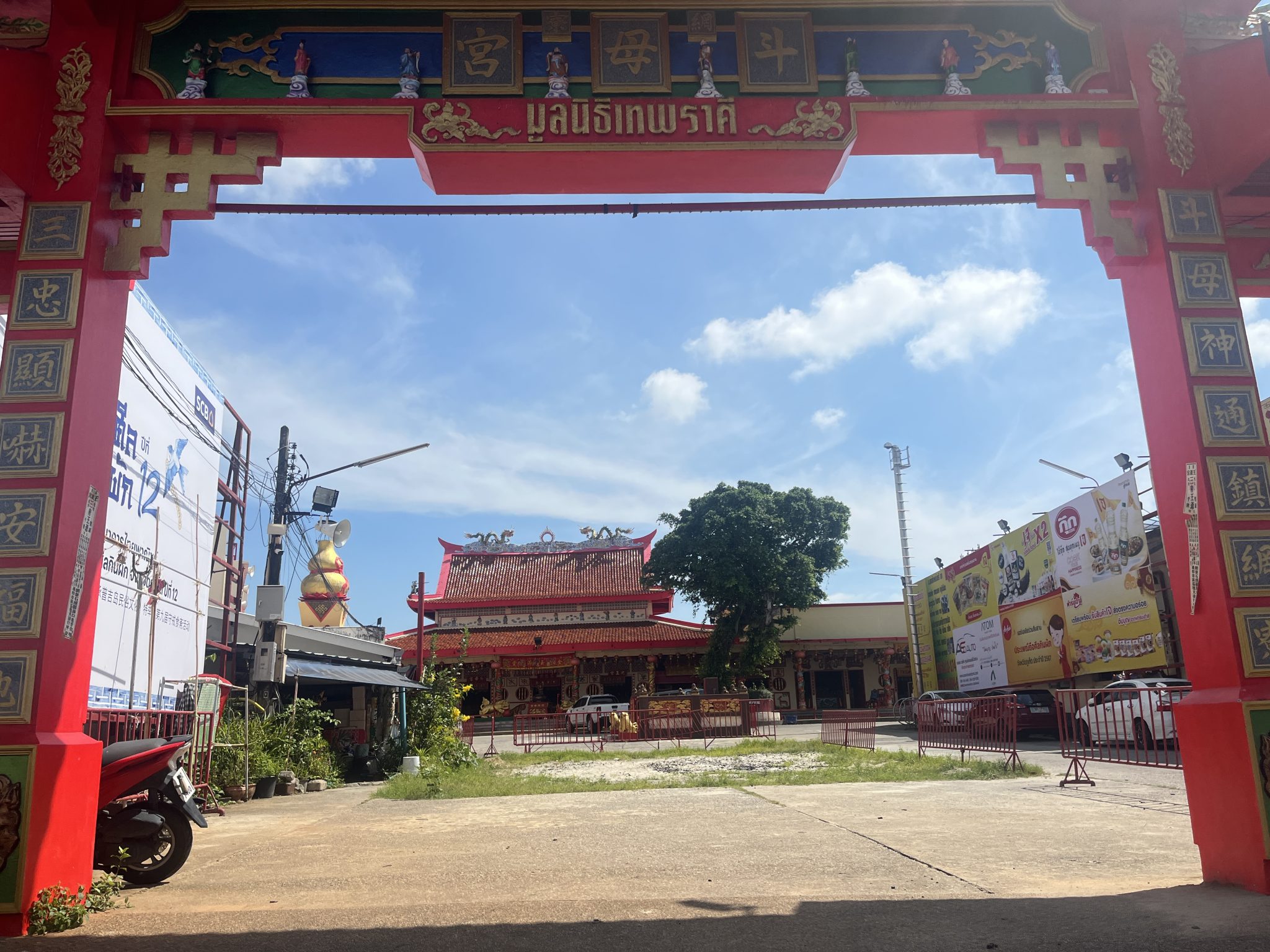
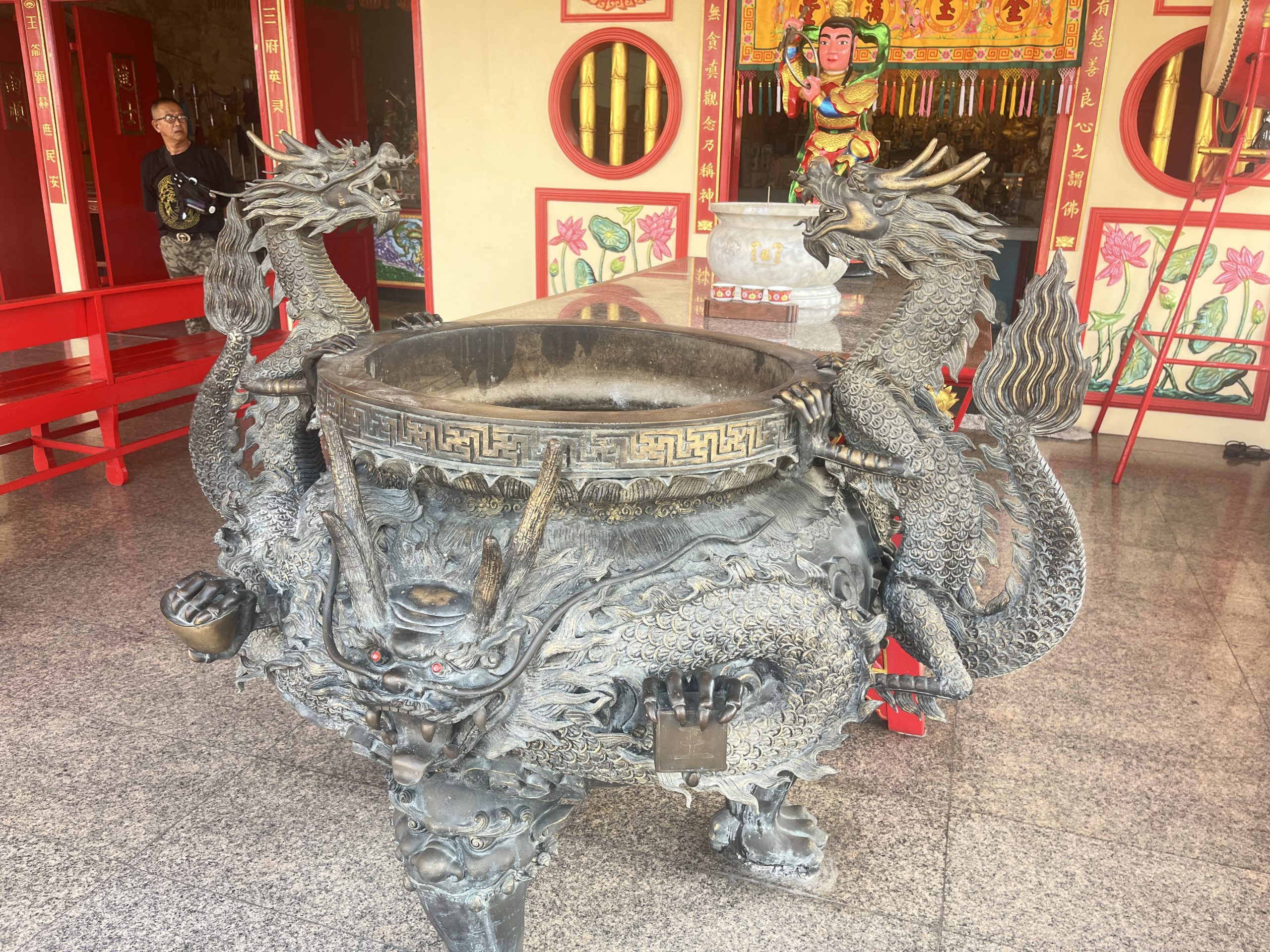
When discussing the Vegetarian Festival in Phuket, many people undoubtedly think of “Bang Neow Shrine,” locally known as “Am Bang Neow,” one of the ancient shrines that has served as the vital heart of the community for over 100 years.
This shrine was established in 1904 (B.E. 2447) and is also known by other names including “Tao Bu Keng Shrine” or “Thep Rasi Foundation.” Originally, it was merely a small wooden structure with a thatched roof, yet it embodied the profound faith of the local people, which remains steadfast to this day.
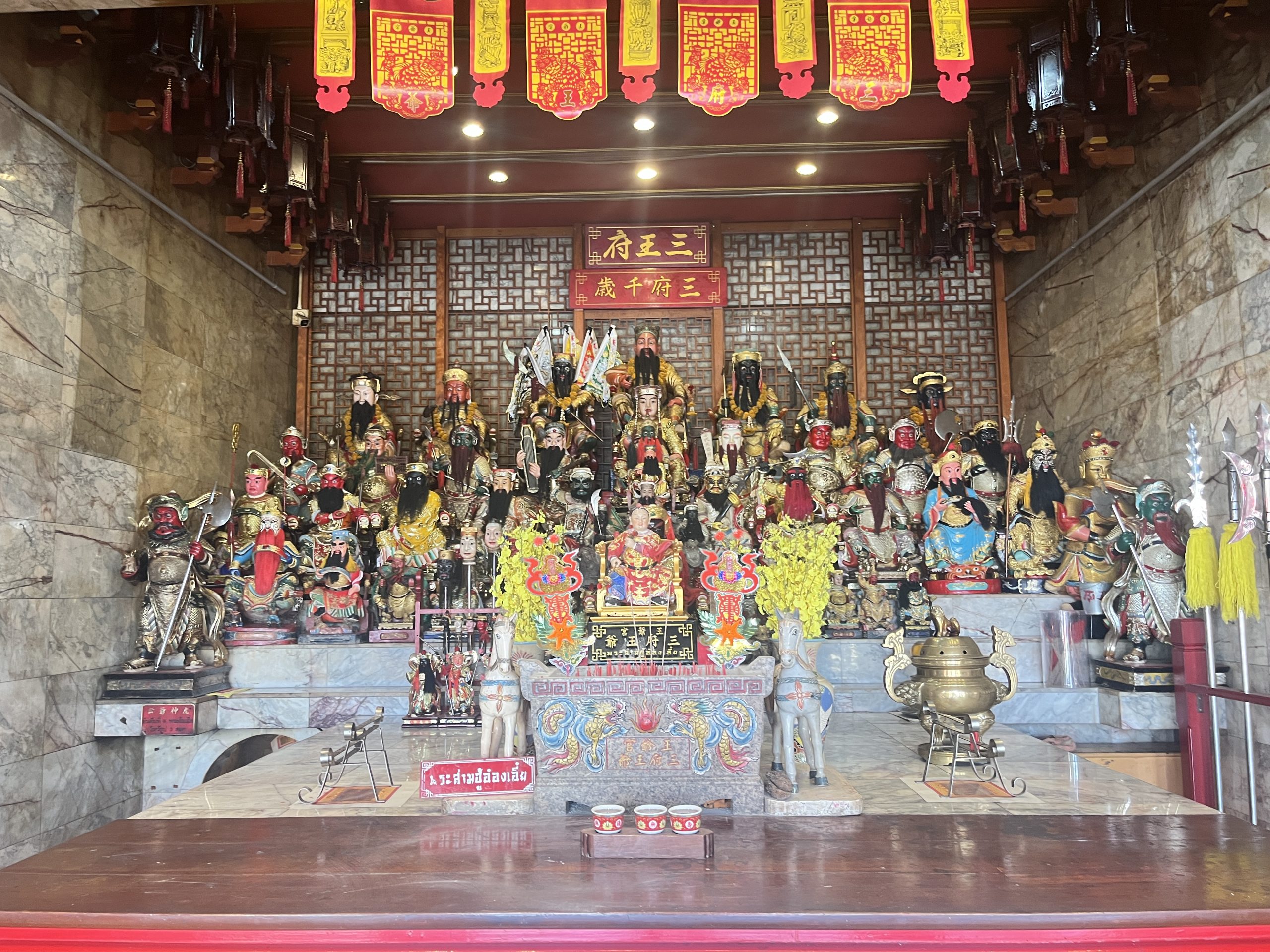
The origins of this shrine trace back to a Chinese opera troupe called “Gang Chai Hi” that came to perform in Trok Mao Kao (present-day Romanee Alley) and brought with them the deity “Tian Hu Yuan Shuai,” commonly referred to by locals as “Lao Yia,” to conduct merit-making ceremonies. This event became the genesis of the “Vegetarian Festival tradition” that continues to be observed today.
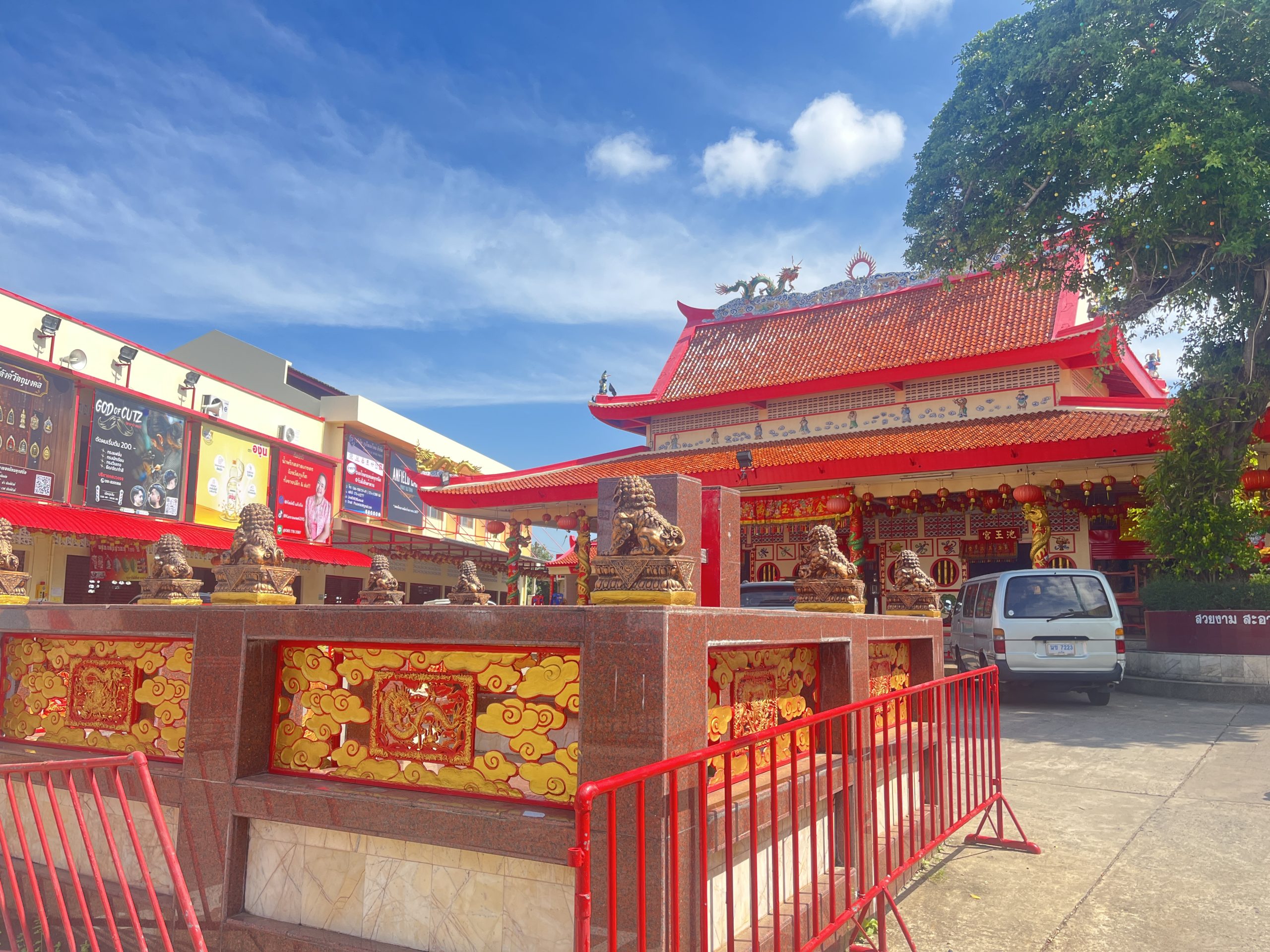
Despite facing two devastating fires in the past, the Bang Neow community never lost faith. Everyone collaborated to rebuild the shrine repeatedly until it has now become a large, beautiful, and magnificent concrete structure.
Upon visiting this site, the first sight to behold is an elaborate dragon archway adorned with a pair of welcoming lion statues, before entering to experience the authentic Chinese atmosphere decorated with auspicious animal paintings, Chinese literary narratives, and dragon-wrapped pillars.
This shrine serves not merely as a place of ritual worship but also as a symbol of unity, faith, and solidarity within the Phuket community, steadfastly preserving its unique identity and traditions.
Operating Hours
6:00 AM – 7:00 PM
Activities
Worship
Sequence of Worship at a Chinese Shrine
Purchase incense sticks, candles, lamp oil, and joss paper (kim).
Face outward from the shrine and pray to the Heavenly Deities.
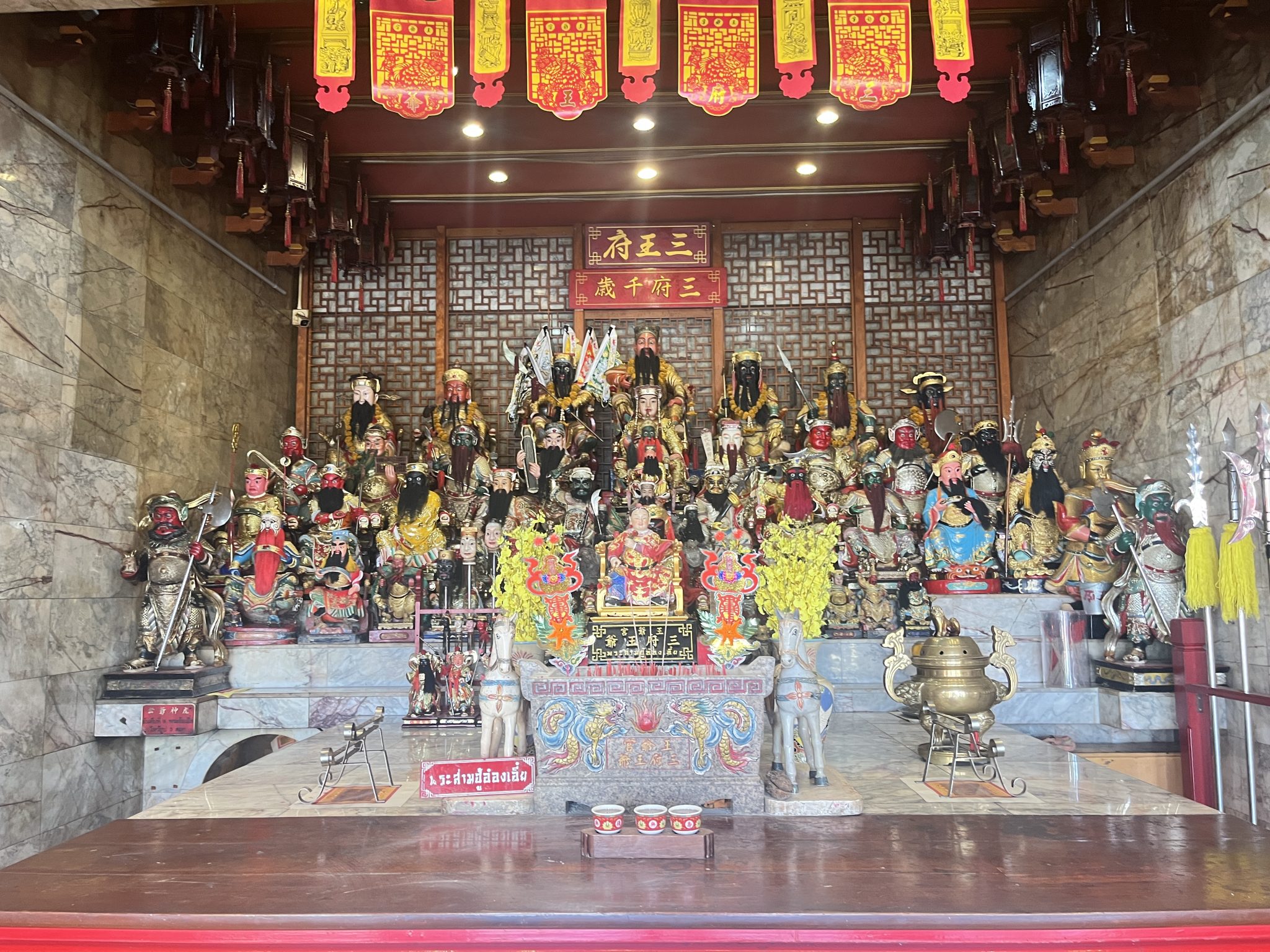
Pay respects to Sam Tong Ong.
Pay respects to Tien Hu Nguan Sui.
Pay respects to Ti Hu Ong Eia.
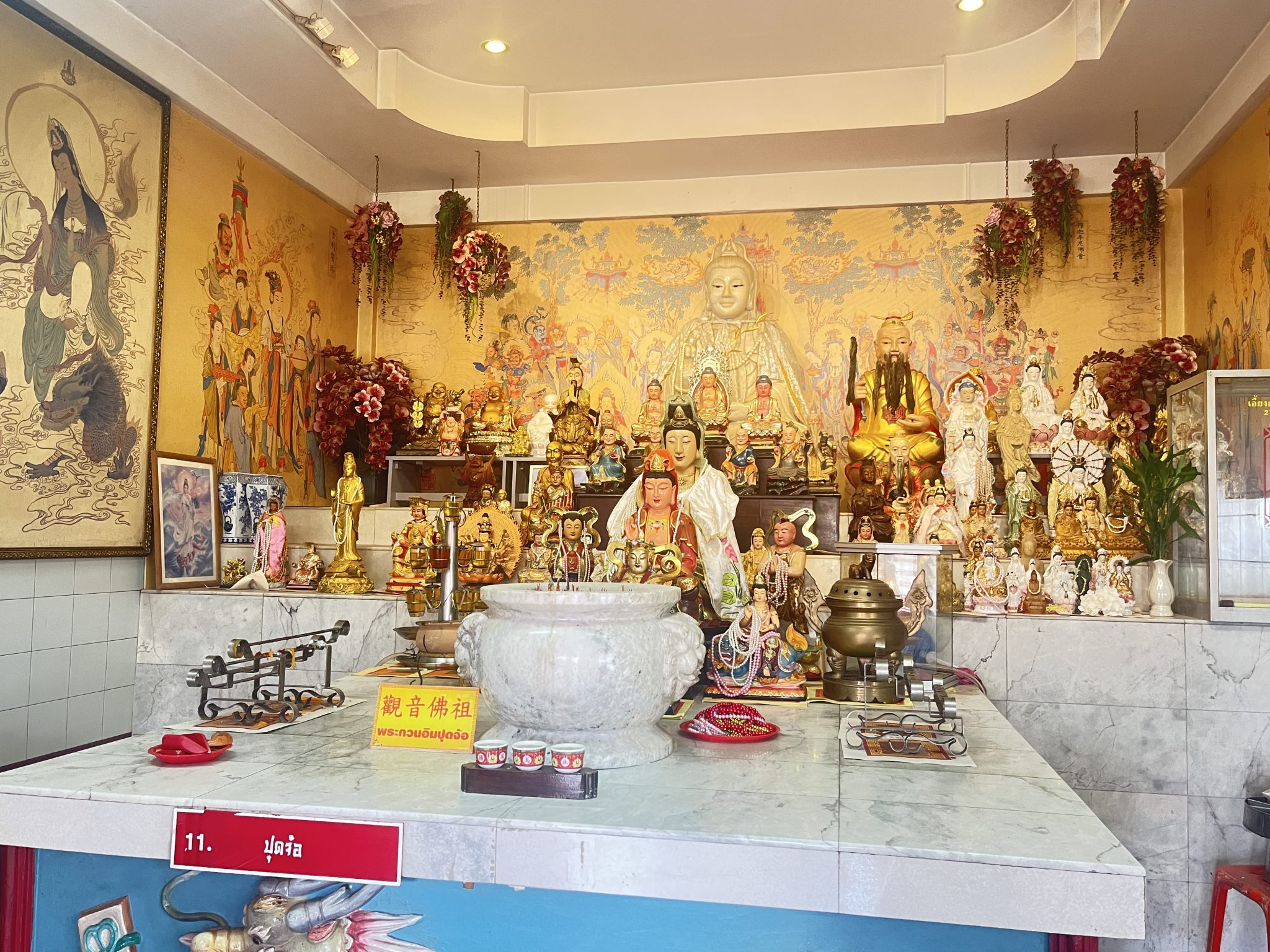
Pay respects to Poh Aam Pud Jor.
Pay respects to Sam Hu Ong Eia.
Pay respects to Hor Eia.
Face outward again and offer prayers to the Heavenly Deities.
Pay respects to Pud Jor.
Burn the joss paper offerings (kim) as the closing ritual.
Initial Cost
30 minutes
Duration of Activities/Study
30 นาที
Dress Code
Visitors should wear modest clothing. Avoid wearing clothing with flashy patterns or overly bright colors.